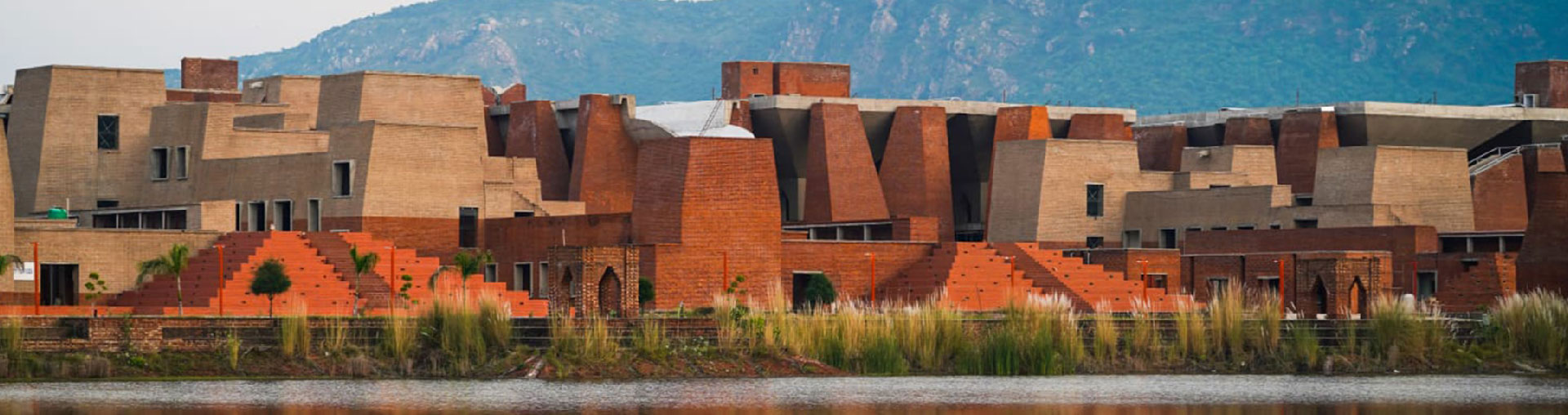
Centre for Studies in Development and Sustainability (CSDS)
Nalanda University, Rajgir, Bihar
Inspire, Educate and Transform

26 October 2025 | The 22nd ASEAN–India Summit was held on 26 October 2025, with Hon’ble Prime Minister Shri Narendra Modi participating virtually alongside
ASEAN leaders. This marked the Prime Minister’s 12th participation in the ASEAN–India Summit.
In a landmark announcement highlighting Nalanda University’s global academic standing, the Hon’ble Prime Minister announced the establishment of a Centre for
Southeast Asian Studies at Nalanda University. The announcement, made during the Summit, is a significant step under India’s Act East Policy, reaffirming Nalanda’s historic role as a bridge of knowledge across Asia. Proposed to be located at the Rajgir campus, the Centre will focus on regional studies, policy dialogue, cultural exchange, and collaborative research with ASEAN nations.
<!–

“Bay of Bengal helps bridge South and Southeast Asia and also contributes to Act East and Indo-Pacific policies… Adoption of the BIMSTEC Charter is a landmark achievement in our effort to develop the institutional architecture for BIMSTEC… Its areas of cooperation have been rationalised. We will utilise these developments to further build the organisation to meet the aspirations of our peoples and their desire for a better life.” – Dr. S Jaishankar, External Affairs Minister of India
–>
About
The Centre for Studies in Development and Sustainability (CSDS) at Nalanda University is envisioned as a centre of excellence dedicated to advancing interdisciplinary education, research, policy engagement, and knowledge exchange in the field of sustainable development. Inspired by the vision of building a more inclusive, resilient, and sustainable future, CSDS seeks to bring together diverse academic disciplines, practitioners, policymakers, researchers, and communities to address contemporary development challenges.
The Centre aims to promote a holistic understanding of development by examining the complex interrelationships between society, economy, environment, culture, institutions, and technology. Drawing upon Nalanda University’s interdisciplinary academic environment and its commitment to sustainability, CSDS intends to create a vibrant platform for innovative research, learning, dialogue, and collaboration.
CSDS focuses on emerging development challenges at the local, national, regional, and global levels. It seeks to explore pathways that balance economic growth with social inclusion, environmental sustainability, cultural preservation, and institutional resilience. Through interdisciplinary approaches, the Centre aspires to generate knowledge that can contribute to evidence-based policymaking and sustainable development practices.
The Centre also aims to strengthen connections between academia and the wider development community by facilitating meaningful engagement among scholars, policymakers, government institutions, civil society organisations, industry, and other stakeholders. Through research, education, networking, and outreach, CSDS seeks to contribute to the development of innovative and practical solutions for a sustainable future.
Research Opportunities:
The field of development and sustainability presents diverse opportunities for interdisciplinary research. CSDS intends to foster collaborations among faculty members, researchers, students, policymakers, practitioners, and institutions to examine emerging development challenges and identify innovative and sustainable solutions.
The focus areas of research may include sustainable development, environmental sustainability, climate change, natural resource management, inclusive and equitable development, sustainable livelihoods, rural and regional development, social policy, governance and institutions, public policy, economic development, sustainable cities and communities, technology and innovation, social entrepreneurship, and the interrelationship between development and cultural heritage.
CSDS is open to research proposals, academic collaborations, joint projects, workshops, seminars, and knowledge-sharing initiatives in areas related to development and sustainability. The Centre encourages interdisciplinary and evidence-based research that can contribute to both academic scholarship and practical policy interventions.
Outreach:
By building a research-driven and collaborative community, CSDS seeks to create a platform where scholars, policymakers, practitioners, students, civil society organisations, and other stakeholders can engage in meaningful dialogue on contemporary development challenges.
The Centre aims to facilitate seminars, conferences, workshops, lectures, training programmes, policy dialogues, and other outreach activities to promote the exchange of knowledge and ideas. These initiatives will encourage greater interaction between academic research and real-world development practices.
Through its outreach activities, CSDS seeks to strengthen partnerships with national and international institutions and create opportunities for collaborative research, capacity building, and knowledge dissemination. The Centre also aims to encourage young researchers and students to engage with emerging questions of sustainability and development.
By connecting knowledge with practice, CSDS aspires to contribute to informed public discourse, evidence-based policymaking, and the development of sustainable solutions that can have meaningful social, economic, and environmental impact.
Recent Activities:
The Centre for Studies in Development and Sustainability (CSDS) has been established at Nalanda University as part of the University’s continuing efforts to strengthen interdisciplinary research and academic engagement in emerging areas of global importance. The establishment of the Centre reflects Nalanda University’s commitment to placing sustainability and responsible development at the heart of its academic and research ecosystem.
CSDS seeks to develop academic and research initiatives addressing contemporary development challenges through interdisciplinary approaches. Its activities are envisioned to bring together perspectives from the social sciences, environmental studies, economics, public policy, management, history, culture, and other relevant disciplines.
The Centre intends to organise lectures, seminars, workshops, conferences, research programmes, and policy-oriented discussions involving scholars, experts, policymakers, practitioners, and students. These initiatives will provide opportunities to examine emerging issues related to sustainable development and encourage dialogue between academic knowledge and practical experience.
Nalanda University’s broader commitment to sustainability provides an important foundation for the Centre’s activities. The University’s efforts towards developing a sustainable, net-zero campus and its academic engagement with environmental and sustainable development issues provide a valuable ecosystem for interdisciplinary research and learning.
Through these initiatives, CSDS seeks to contribute to the evolving discourse on sustainable development while strengthening Nalanda University’s role as an international hub for knowledge, research, and cooperation.
Coordinator
[Name of Coordinator]
Coordinator, Centre for Studies in Development and Sustainability (CSDS)
[Designation], [School/Department]
Brief Profile
–
Contact:
Coordinator
Centre for Studies in Development and Sustainability (CSDS)
Nalanda University,
Rajgir, Bihar, India – 803116
Email: [email protected]
Website: https://nalandauniv.edu.in/